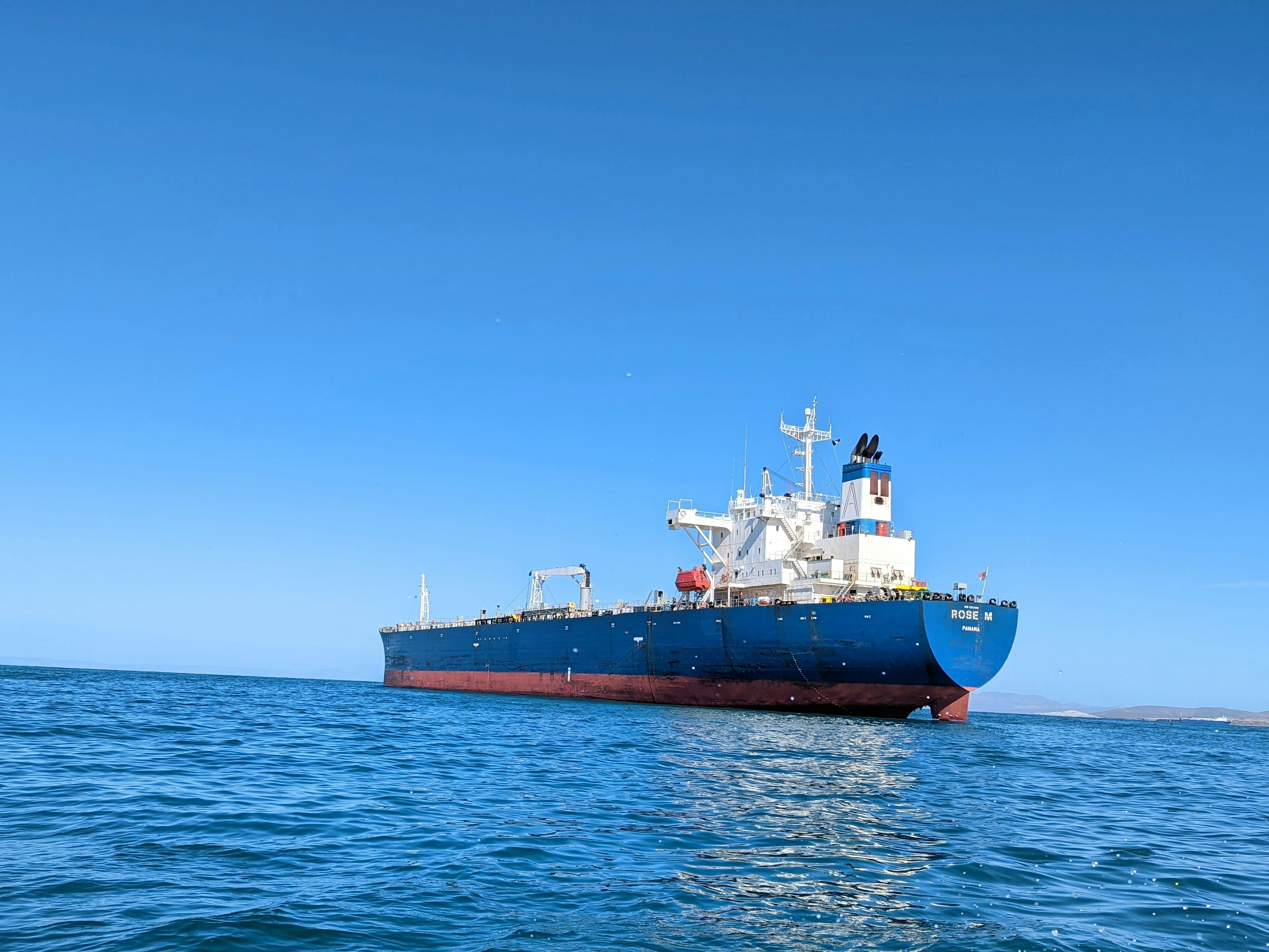
The escalating U.S.-Israeli conflict with Iran in 2026 may seem geographically distant from Kenya, but its economic shockwaves are already being felt across the country. As global oil prices surge and supply chains tighten, Kenya’s real estate market is entering a new phase — one defined by short-term pressure, but also long-term opportunity for smart investors.
Understanding the Global Energy Shock
The conflict has disrupted one of the world’s most critical oil routes — the Strait of Hormuz, responsible for nearly 20% of global oil supply. Even partial disruptions here immediately push global energy prices higher.
In recent months, oil prices have surged beyond $100 per barrel, creating ripple effects across transport, manufacturing, and construction worldwide.
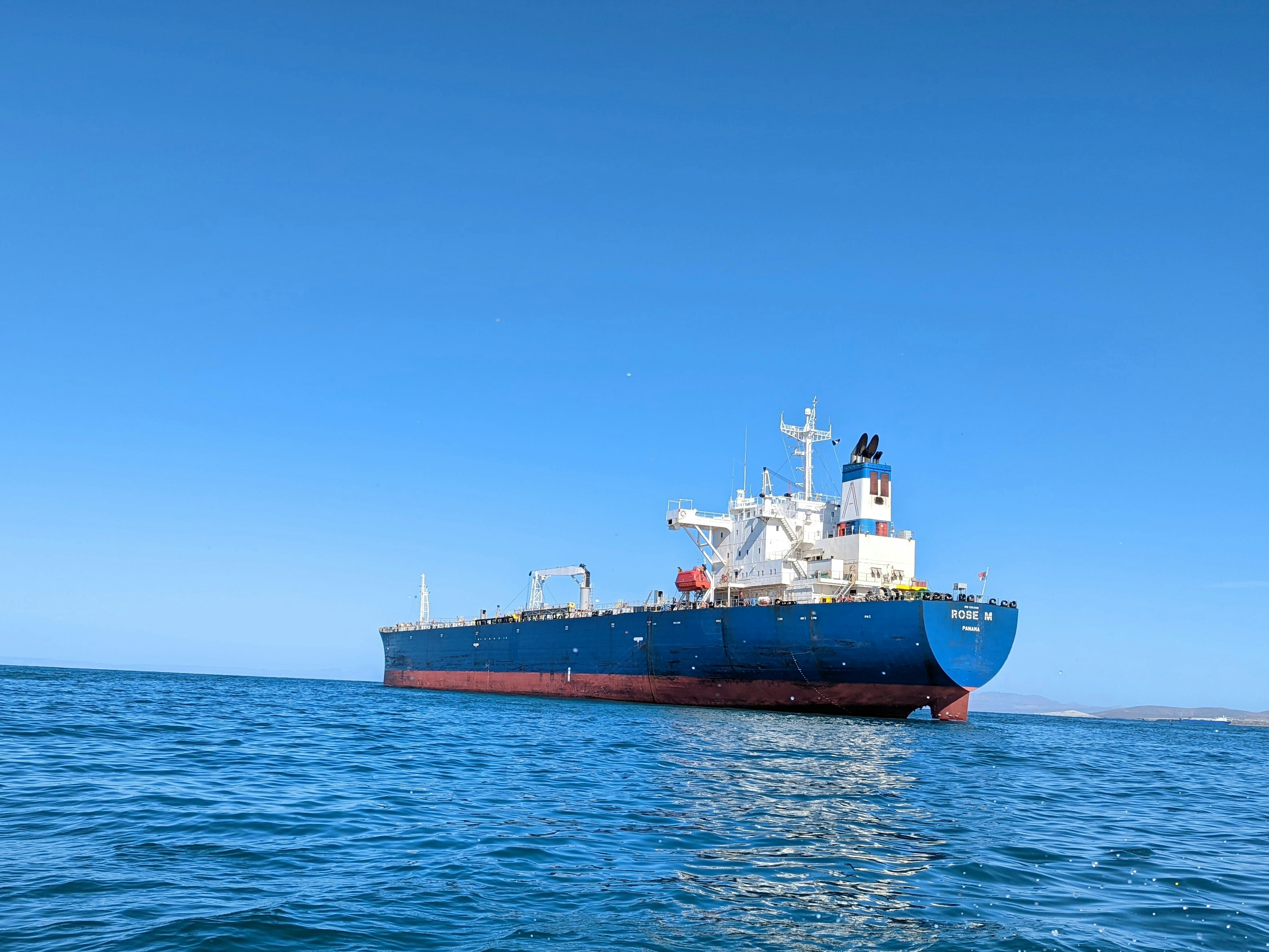
Global oil supply routes like the Strait of Hormuz play a critical role in energy pricing — and disruptions here impact economies worldwide.
Why This Matters for Kenya
Kenya relies heavily on imported fuel. When global oil prices rise, the effects cascade across the entire economy:
- Higher fuel costs – Increased transport and logistics expenses
- Rising inflation – Food, electricity, and goods become more expensive
- Weaker currency – Imports cost more in Kenyan shillings
- Higher interest rates – Borrowing becomes more expensive
These pressures directly influence real estate affordability, development costs, and investor behavior.
Impact on Kenya’s Real Estate Market
1. Construction Costs Are Climbing
Fuel drives construction. From transporting cement to running machinery, rising oil prices increase:
- Material costs (cement, steel, finishes)
- Labor and logistics expenses
- Overall project budgets
Developers may delay projects or shift focus toward higher-margin developments.

Rising construction costs are reshaping development strategies across Nairobi’s fast-growing skyline.
2. Mortgages and Financing Are Tightening
Higher inflation often leads to increased interest rates. This impacts:
- Homebuyers (reduced affordability)
- Investors using leverage
- Developers relying on loans
The result is slower transaction activity — particularly in mid-range housing.
3. Demand May Temporarily Slow
As the cost of living rises, many buyers delay property decisions. This can lead to:
- Lower sales volumes
- Pressure on rental growth
- Short-term price stagnation in some areas
4. Not All Segments Are Equal
- Prime areas (Westlands, Karen, Kilimani): More resilient
- Affordable housing: Most affected
- Commercial/logistics: Strong long-term outlook
- Coastal markets: Dependent on tourism recovery
Where Smart Investors Are Looking
1. Buying During Uncertainty
Market slowdowns often create discounted opportunities in prime locations.
2. Targeting High-Demand Areas
Focus on locations with:
- Strong rental demand
- Infrastructure access
- Proximity to business hubs
Explore available opportunities:
View Nairobi Listings Browse Apartments Find Verified Agents
Periods of uncertainty often present the best entry points for long-term real estate investors.
3. Diaspora Capital Remains Strong
Kenyan diaspora investment continues to support the market, with property seen as a hedge against inflation and currency risk.
4. Diversification Is Key
Investors are increasingly exploring:
- Logistics and warehousing
- Mixed-use developments
- Serviced apartments
Long-Term Outlook
Despite short-term volatility, Kenya’s real estate fundamentals remain strong:
- Rapid urbanization
- Large housing deficit
- Growing middle class
- Ongoing infrastructure expansion
These drivers continue to support long-term property value growth.

Kenya’s long-term housing demand continues to grow, driven by population and urban expansion.
The Bottom Line
The 2026 geopolitical tensions are creating short-term pressure — but not long-term decline. For disciplined investors, this is a moment to focus on fundamentals, not fear.
Smart money doesn’t exit the market — it becomes more selective.
Disclaimer: This article is for informational purposes only and does not constitute financial advice. Always conduct due diligence and consult professionals before making investment decisions.